
Tragedy at The Last Resort Club Handicap Hurdle: Rider Kielan Woods breaks down in tears as he recounts the horrific fall
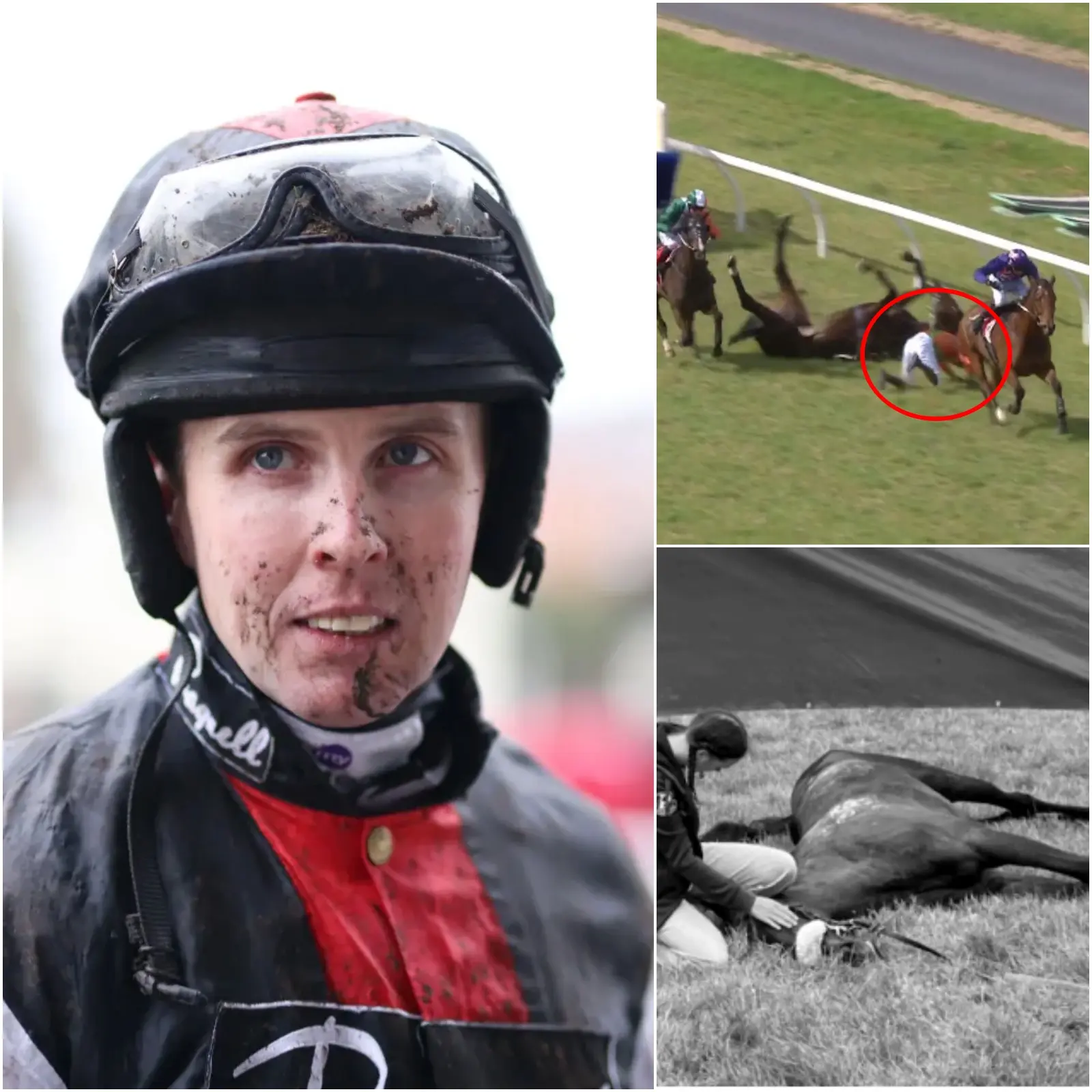
Fontwell Park, a picturesque racecourse nestled in the South Downs of West Sussex, became the scene of heartbreak on Wednesday afternoon during the Last Resort Club Handicap Hurdle. What began as a routine Class 4 contest over two miles and three furlongs turned into a devastating incident that has sent shockwaves through the British horse racing community.
Jockey Kielan Woods, a seasoned rider with aspirations for the upcoming Grand National, was thrown from his mount Mammies Boy at the sixth flight and appeared to be trampled by a following horse, resulting in the immediate and tragic death of the equine athlete.
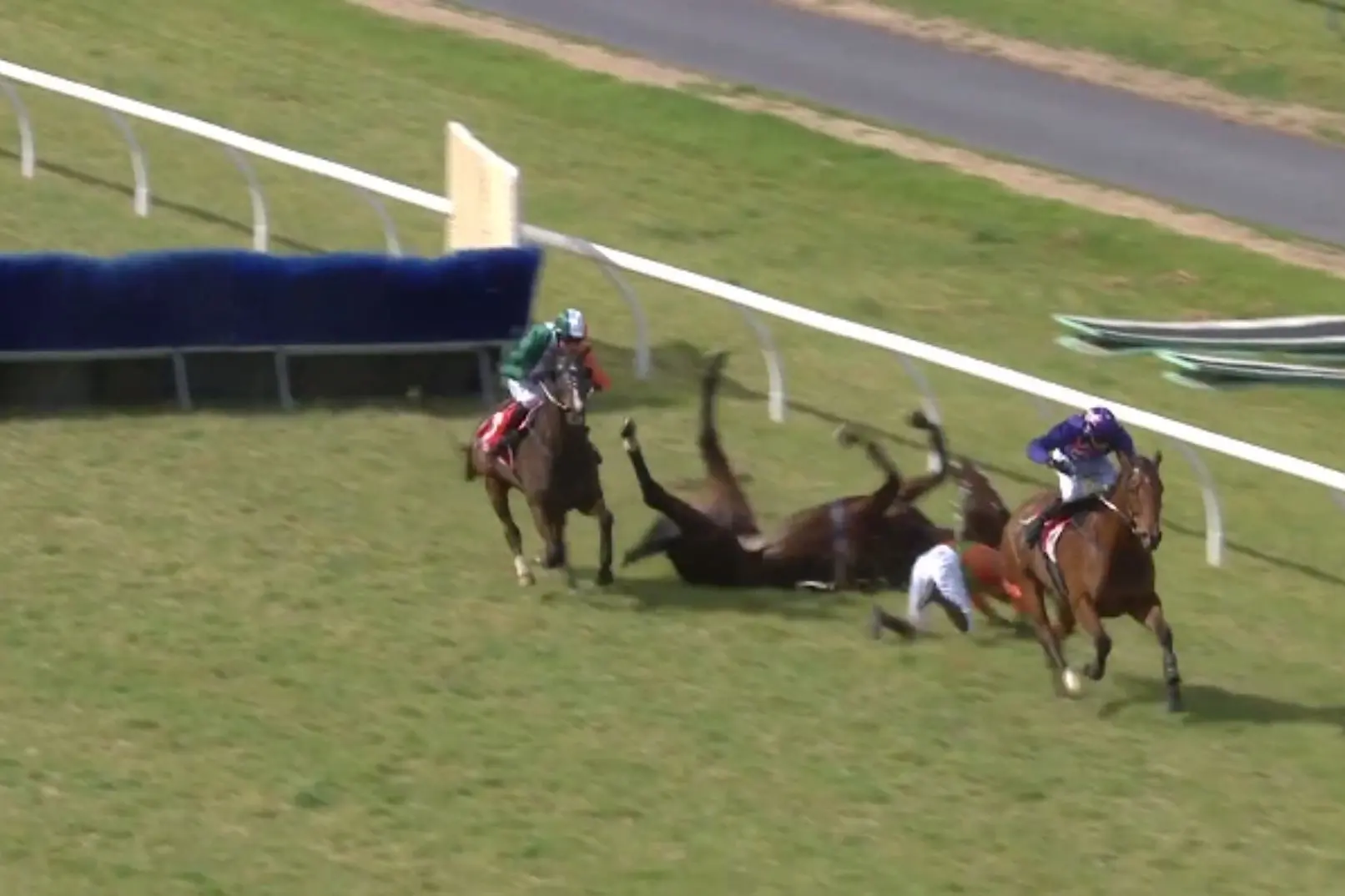
Eyewitnesses described a collective gasp rippling through the stands as the field approached the hurdle. Mammies Boy, a promising performer trained by Nick Scholfield, clipped the obstacle and crumpled upon landing. Woods, unable to maintain his seat, was ejected violently to the turf. In the chaos of the closely packed pack, another competitor—reportedly Galactic Charm—could not avoid the fallen pair. The impact was catastrophic for the horse, which suffered fatal injuries and was humanely euthanized on the course by attending veterinarians.
Woods himself was attended to swiftly by paramedics and transported to hospital for evaluation, though initial reports from connections suggested his injuries were not life-threatening.
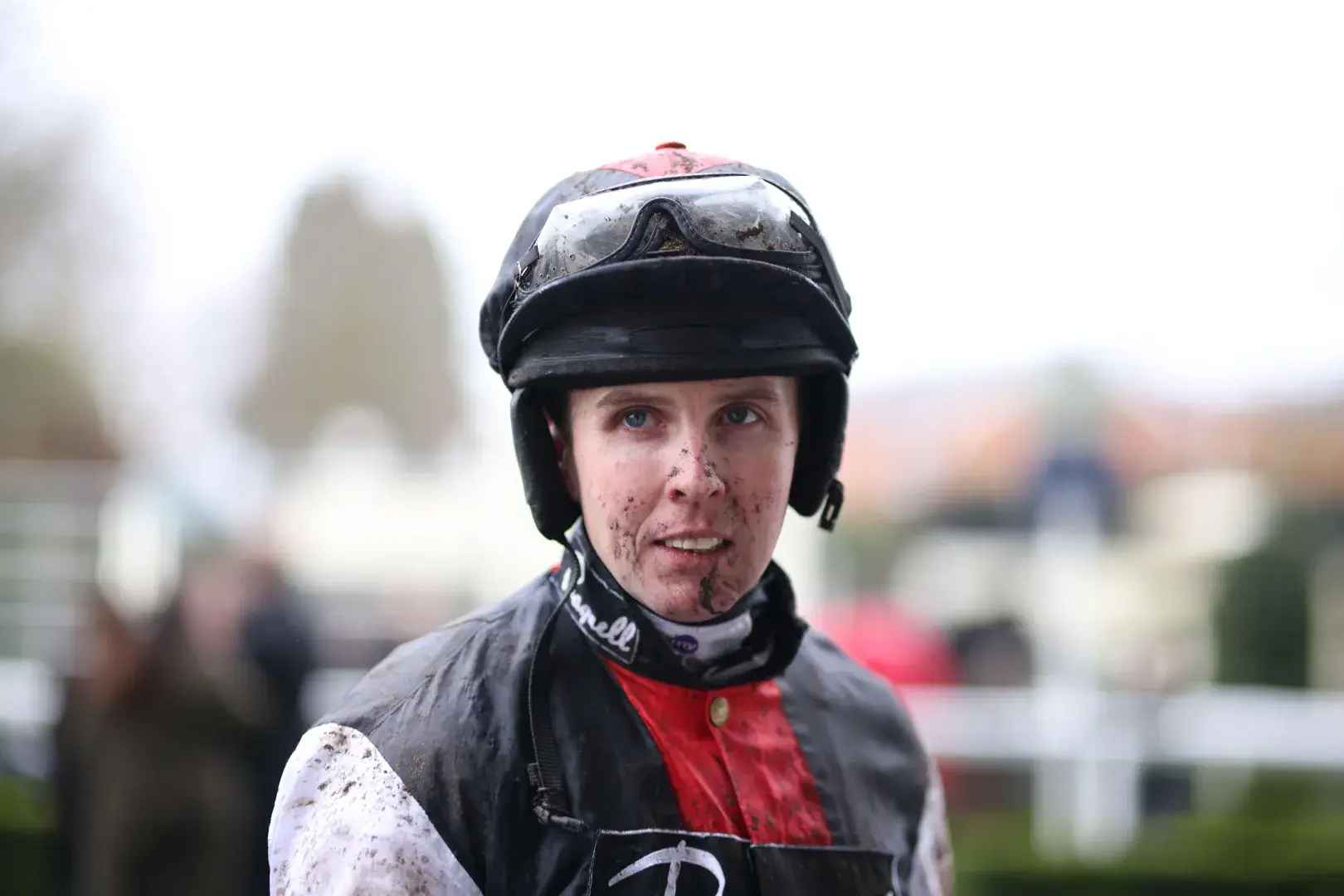
In the hours following the race, an emotional Woods appeared before journalists, his voice cracking as he fought back tears. The 30-year-old Irish jockey, known for his composure in high-pressure situations, broke down while recounting the split-second horror. “One moment we were traveling well, jumping nicely, and the next… it all went wrong so quickly,” he said, pausing to compose himself. “Mammies Boy was a warrior, a genuine trier who gave everything. To see him go down like that, and then feel the weight of what happened next… it’s something no rider ever wants to experience.
I keep replaying it in my head. I’m just grateful to be here talking about it, but my heart breaks for that horse and his connections.”
The incident has reignited long-standing debates about safety in National Hunt racing, where falls are an inherent risk but their consequences remain profoundly distressing. Fontwell’s turf, described as good to soft with good patches in places, was not cited as a contributing factor, but the speed and density of the field at that critical hurdle played a role in the unfolding drama. Racing stewards launched an immediate inquiry, reviewing footage from multiple angles to determine if any procedural changes could prevent similar outcomes in the future.
This tragedy has prompted swift action from the International Federation of Horse Racing Associations (IFHA), the global body overseeing integrity and welfare standards in the sport. In a statement released late Wednesday, the IFHA announced plans to tighten regulations surrounding smart helmets and next-generation protective gear for riders. These innovations, which incorporate impact sensors, real-time biometric monitoring, and advanced composite materials designed to absorb and distribute force, have been rolled out progressively in recent seasons. However, they have sparked controversy among jockeys and trainers alike.
Proponents argue that smart helmets represent a leap forward in rider safety, capable of alerting medical teams to potential concussions or spinal trauma within seconds of a fall. Data from trials suggests they can reduce the severity of head injuries by up to 30 percent in some scenarios. Yet critics, including several high-profile riders, have voiced concerns over comfort and practicality. The added weight and restrictive fit of some models, they claim, can impair peripheral vision and cause discomfort during long races, potentially affecting performance and even contributing indirectly to fatigue-related errors.
Questions have also arisen about data privacy, with riders wary of constant monitoring by governing bodies or insurers.
“We cannot stand by while technology that promises protection creates new vulnerabilities or erodes the trust of those who put their lives on the line,” an IFHA spokesperson said. “The events at Fontwell underscore the urgent need for mandatory standards that balance innovation with usability. We will consult widely with jockeys’ associations, manufacturers, and veterinary experts to refine these regulations, ensuring they enhance safety without compromising the essence of the sport.”
The death of Mammies Boy adds to a sobering tally of equine fatalities in British jumps racing this season. Animal welfare groups have long campaigned for stricter measures, including better course design, revised handicap weights to prevent over-burdened runners, and enhanced pre-race veterinary screening. The British Horseracing Authority (BHA) reports ongoing efforts to improve fatality rates, which have declined steadily over the past decade thanks to improved training techniques and track maintenance. Nevertheless, each loss reignites calls for radical reform, from phasing out certain hurdle types to greater investment in synthetic surfaces.
For Kielan Woods, the road to recovery will be as much mental as physical. A rider with over 500 career winners, including notable successes in graded company, he had been building momentum ahead of Aintree’s showpiece event. Trainer Scholfield praised his jockey’s resilience: “Kielan is tough as they come, but this one hits different. Mammies Boy wasn’t just a horse to us; he was part of the family. We’ll support Kielan every step of the way as he processes this.”
The racing community has rallied around those affected. Messages of support flooded social media, with fellow jockeys sharing their own experiences of brushes with disaster. “It’s a reminder of how fragile this game is,” tweeted one leading rider. “Thoughts with Kielan, the team behind Mammies Boy, and everyone who loves this sport.”
As investigations continue and the IFHA prepares to implement its updated guidelines—potentially ahead of the 2026-27 season—questions linger about the broader future of jumps racing. Can technology truly mitigate the risks without altering the sport’s soul? Will tighter regulations on protective equipment gain acceptance from riders who value tradition and feel? And how does the industry balance the thrill of competition with the welfare of both human and equine participants?
In the quiet aftermath at Fontwell, as grounds staff repaired the divots left by the fallen horse, one thing became clear: this tragedy will not soon be forgotten. It serves as a poignant call to action for a sport that must evolve to protect its heroes—two-legged and four-legged alike—while preserving the courage and spectacle that draw fans worldwide. Woods’ tearful account may prove the catalyst for meaningful change, ensuring that future generations of riders and horses face fewer such devastating moments on the hallowed turf.