
THE FINAL MOMENT OF GLORY…
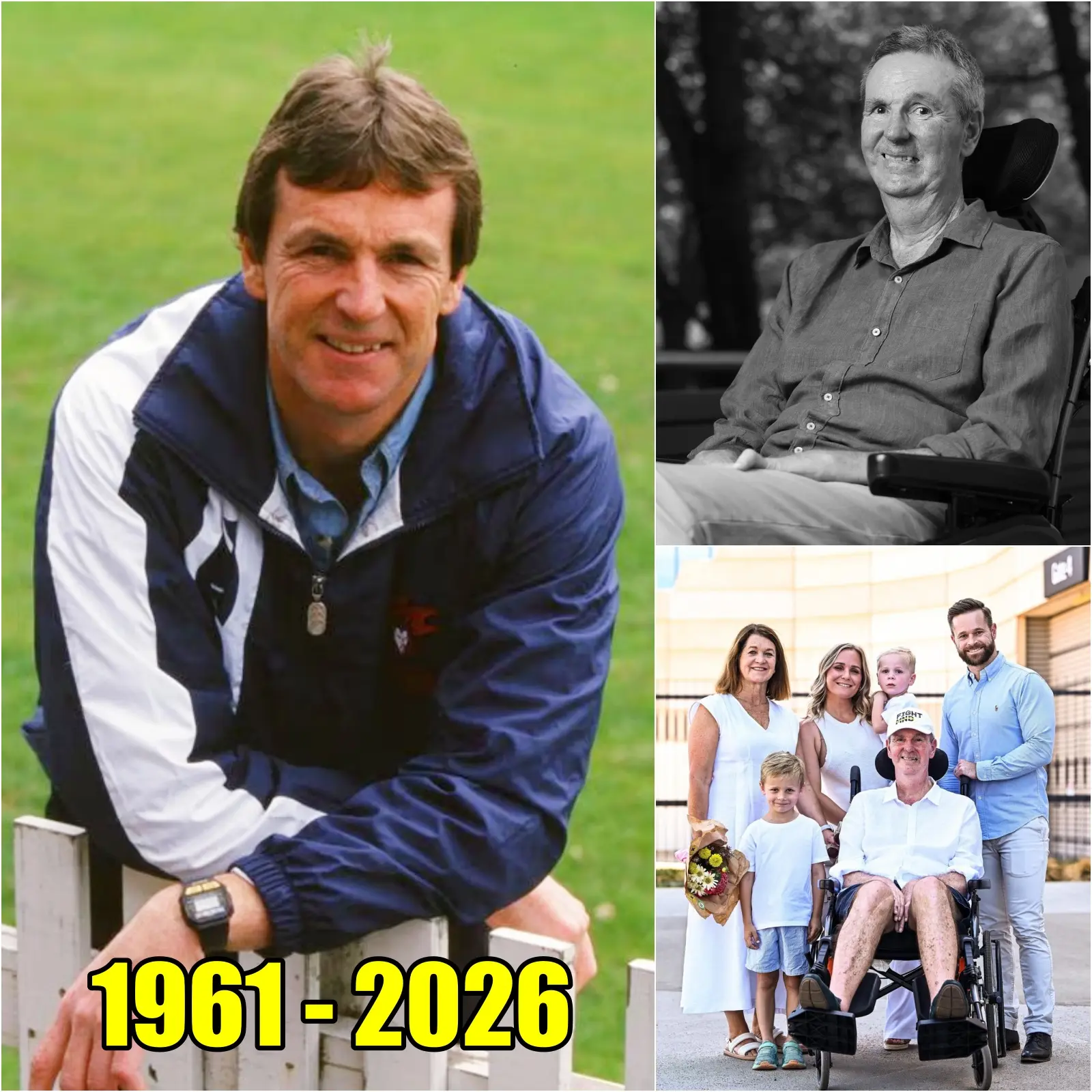
In a deeply moving and symbolic gesture that captures the profound respect Neale Daniher commanded across Australia, his family has confirmed that a state funeral will be held to honour the AFL legend, Melbourne Demons coach, and tireless MND campaigner following his peaceful passing after a courageous 13-year battle with motor neurone disease. The 65-year-old died at his Melbourne home on Monday, surrounded by his beloved wife Jan, their four children Bec, Ben, Lauren and Luke, and six grandchildren.
What began as a devastating personal diagnosis in 2013 became a national movement of hope, fundraising and resilience, and now the Victorian government’s offer of a state funeral — accepted by the family — stands as the final, fitting tribute to a man who turned “The Beast” into a cause that touched millions.
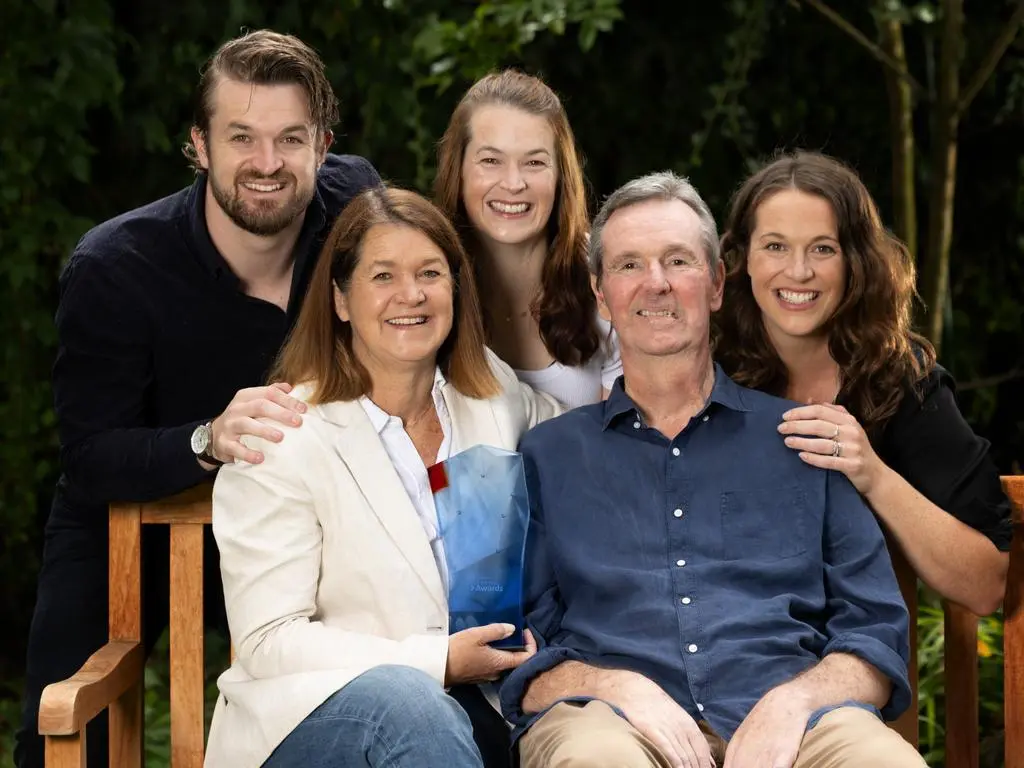
Neale Daniher’s story is one of remarkable contrasts: a fierce competitor on the football field who became an even greater force off it, a family man from rural New South Wales whose warmth and humour never dimmed, even as his body failed. Born one of 11 children to Jim and Edna Daniher on a farm at Ungarie, he grew up in a dynasty that would produce four brothers who all played for Essendon.
In September 1990, Neale lined up alongside Terry, Anthony and Chris in one of the most iconic moments in AFL history — four Danihers in the same team. He played 82 games for the Bombers, earned best-and-fairest honours, and was named captain at just 21, though persistent knee injuries ultimately cut short a playing career that showcased his brilliant football mind and fearless approach.
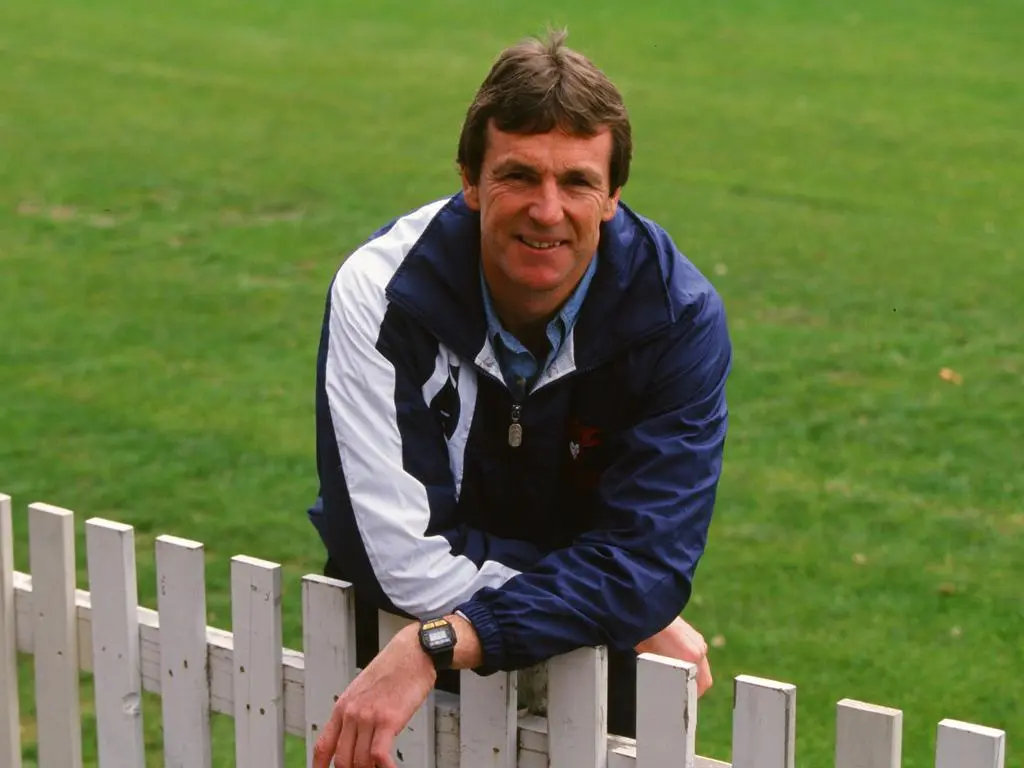
After retiring, Daniher transitioned seamlessly into coaching. He served as an assistant at Essendon and Fremantle before taking the senior role at Melbourne in 1998. In his first season he transformed a club that had finished last the previous year, guiding the Demons to a preliminary final. Over 223 games he recorded 108 wins, including a memorable run to the 2000 Grand Final. Players and staff affectionately called him “Coach” or “The Reverend,” drawn to his natural leadership, quick wit and ability to inspire belief.
His final AFL role was as football manager at West Coast, a position cut short when the first symptoms of MND appeared.
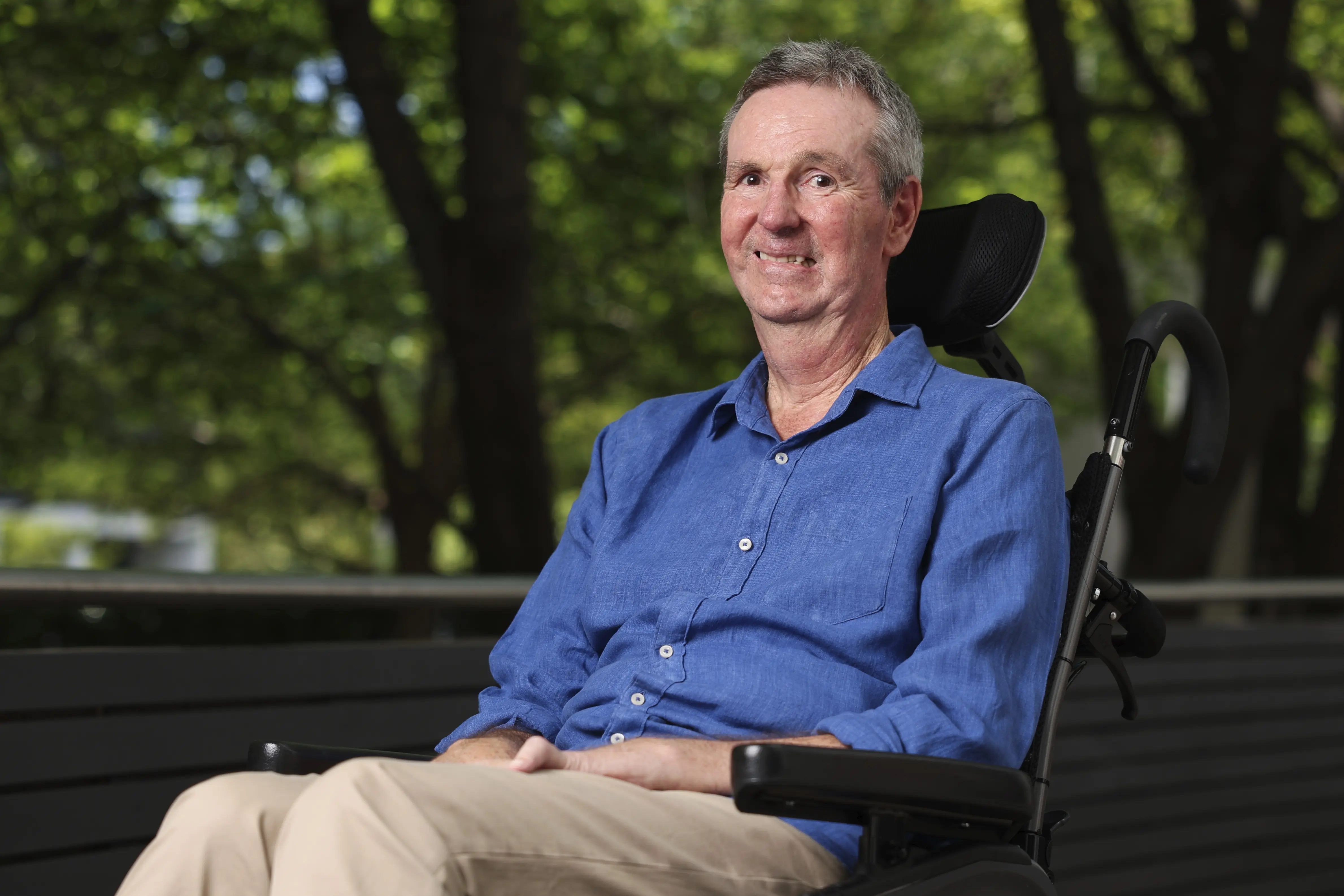
Diagnosed in 2013 at a time when the average life expectancy after diagnosis was just 27 months, Daniher refused to accept the prognosis. He lived 13 extraordinary years — more than five times the expected span — by sheer force of will, optimism and an unyielding determination to fight. He called the disease “The Beast” and attacked it daily with the same intensity he once brought to the field. As his speech faded and he became confined to a wheelchair, he communicated through technology and, when that became impossible, his family spoke for him.
Yet his voice grew louder than ever in the national conversation about MND.
In 2014, alongside Pat Cunningham and the late Dr Ian Davis, he co-founded FightMND. What started as one man’s mission quickly became a movement. The annual Big Freeze at the MCG — held on the King’s Birthday weekend during the Collingwood–Melbourne clash — captured the imagination of the country. Players, celebrities and everyday Australians donned blue beanies and plunged into ice baths, raising tens of millions of dollars (with cumulative totals exceeding $100 million in recent reports) for research into treatments and, ultimately, a cure. Daniher’s cheeky grin and sharp humour became the face of the campaign.
Even as his condition advanced, he continued to push, to smile, and to remind everyone that “no matter the odds, no matter the diagnosis, we all have the power to fight, to smile, and to do.”
In January 2025 he was named Australian of the Year, an honour Prime Minister Anthony Albanese later described as “so unanimously agreed to by every single Australian.” The award recognised not only his fundraising success but the way he had given hope and dignity to everyone living with MND and their families. Daniher’s second book, released in the year before his death, further detailed his philosophy of turning adversity into purpose.
On Monday, as news of his passing spread, tributes poured in from every corner of Australian life. Prime Minister Albanese told Parliament: “With the passing of Neale Daniher, we all grieve for a great Australian. Neale fought what he called The Beast with the courage, optimism and passion that brought hope and inspiration into the lives of everyone affected by MND.” Victorian Premier Jacinta Allan offered the family a state funeral “to honour the incredible commitment and legacy of Neale Daniher,” an offer the family gratefully accepted. Arrangements will be made in the coming weeks.
AFL chief executive Andrew Dillon, Essendon, Melbourne and countless former players and coaches echoed the sentiment: a true icon had left the game, but his influence would endure far beyond it.
The family’s own statement, released shortly after his death, painted an intimate portrait of the man behind the public figure. “We’re heartbroken to share that our much-loved husband, Dad and Poppy, Neale Daniher, passed away at home, surrounded by his family,” they wrote. “From day one, Neale was a fighter. His determination was unmatched — choosing every day to find opportunity where others might see only challenge, and taking the fight to the Beast with everything he had.
Even in the toughest times, he kept pushing forward, determined to land as many blows as he could against his toughest opponent, all with a cheeky grin and a sharp sense of humour that never left him.”
They continued: “Long before MND, Neale had always been the heart of our family. Growing up as one of eleven children, he brought light and laughter wherever he went. He loved deeply and was loved just as much in return by his family and friends.
Across every part of his life, Neale left his mark… But beyond all of that, he was a loving husband, dad, a proud Poppy, a music lover, and the one with the biggest laugh in the room.” The statement thanked the “incredible community” that supported them, the carers, nurses, doctors and researchers, and concluded with words that summed up his entire approach: “His wish was simple but powerful — to help create a world where no one has to face this disease… We will forever remember him for the lasting impact that he has made on us all.
He has inspired, he has loved, he has lived and it would only be fitting to finish with his words — Play On.”
That same spirit will be on full display at the upcoming Big Freeze on June 8, when the MCG is expected to be packed not only for the football but for a collective outpouring of gratitude and resolve. Former Melbourne player and commentator Garry Lyon noted the match will offer “the first chance that we’re going to get to pay our respects publicly, apart from the state funeral.”
Neale Daniher’s final moment of glory is not an ending but a continuation. The state funeral will bring together footballers, politicians, researchers, families affected by MND and ordinary Australians whose lives he touched. It will celebrate a man who proved that courage is not the absence of fear but the decision to keep fighting anyway; who showed that one person’s battle can become an entire nation’s cause; and who left behind a simple, powerful instruction: Play On.
His legacy lives in every blue beanie sold, every dollar raised for research, every person who refuses to give up in the face of their own “Beast.” As the Daniher family so eloquently put it, the mark of a person “isn’t what they say, it’s what they do.” Neale Daniher did more than most could ever dream. Australia has lost a legend, but thanks to the symbolic honour now being prepared and the movement he built, his fight — and his final moment of glory — will never be forgotten.