
🚨 10 minutes ago at St Kilda: Lance Collard’s suspension has been officially reduced from nine weeks to four weeks for homophobic remarks that sparked a storm of criticism. The situation escalated to the point where the AFL fired its Chairman of the Board, leaving the entire AFL stunned and fans, teammates, and internal experts alike in disbelief.
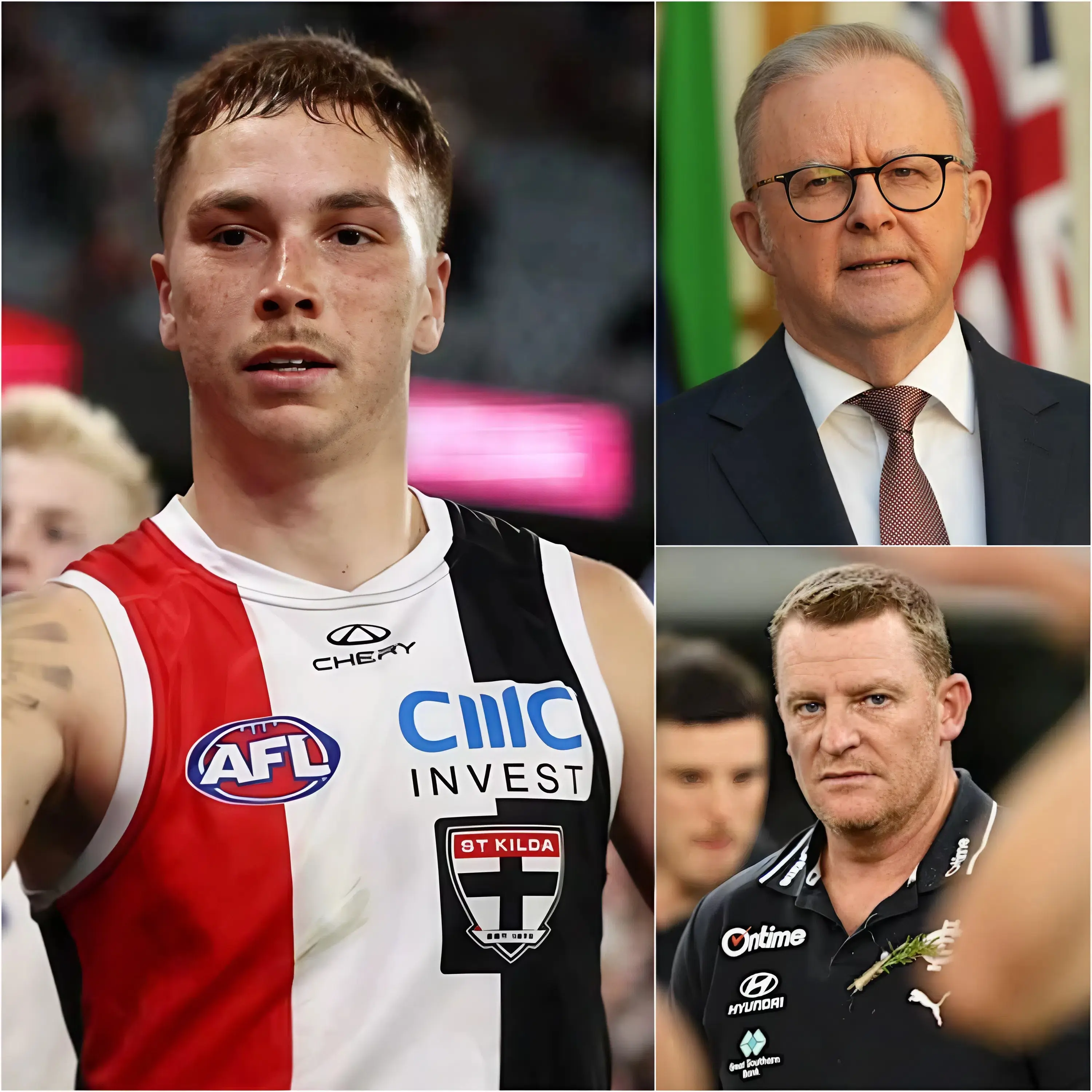
The Australian Football League has been plunged into one of its most serious crises in recent memory after a VFL on-field incident spiralled into a governance earthquake. What began as a disputed verbal exchange during a March 27 match has ended with the dramatic termination of the Appeals Board Chair and exposed deep divisions over how the sport handles discrimination, player welfare and its own standards of conduct.
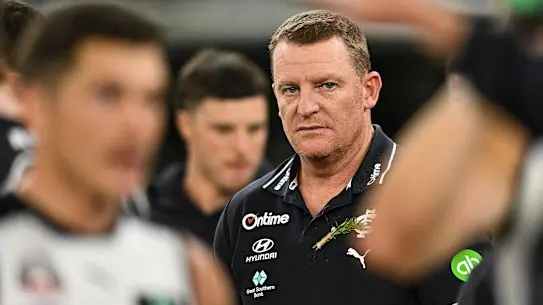
Lance Collard, the 21-year-old St Kilda forward of Indigenous heritage who has battled a difficult personal background, stood accused of calling Frankston opponent Darby Hipwell a “fucking faggot” during the heated contest. Collard has always maintained he said only “Come here, maggot” in the physical jostle of play. Yet after testimony from Hipwell and teammate Bailey Lambert, the AFL Disciplinary Tribunal on April 9 found him guilty of conduct unbecoming and imposed a seven-week ban plus two weeks suspended — effectively a nine-week suspension — on top of a separate two-week penalty for a high hit in the same game.
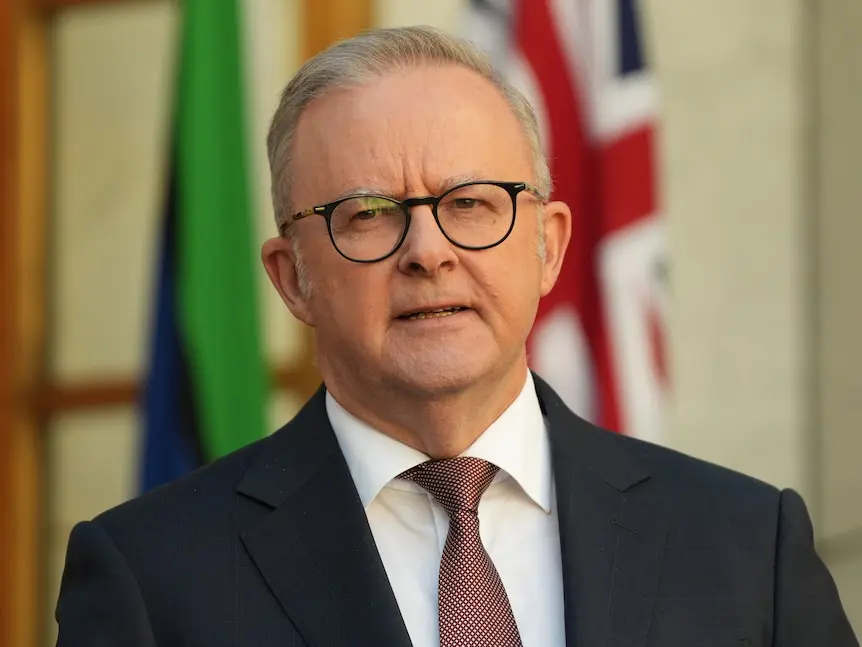
St Kilda immediately appealed, arguing the original sanction was manifestly excessive for a fringe player whose career could be destroyed by such a lengthy absence. On the evening of April 23 the Appeals Board, chaired by Will Houghton KC with Georgina Coghlan KC and former player Stephen Jurica, delivered its ruling. The board upheld the finding of guilt but slashed the penalty to four weeks — two to be served immediately and two suspended until the end of the 2027 season.
Its published reasons cited the “crippling” career impact, noted that the 2024 incident in which Collard admitted using the same slur multiple times and received a six-game ban was more serious, observed that the victim was not personally offended, and controversially stated that homophobic, racist and sexist language remains “commonplace” in the highly competitive environment of elite football, especially among young men. The board concluded that the AFL’s drive to eliminate such language should not come at the price of ending a player’s professional life.
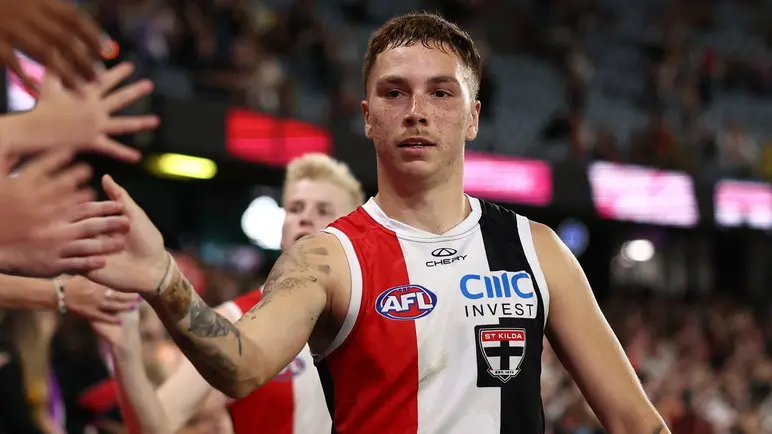
The verdict detonated across the football world. Social media erupted with disbelief and anger that a repeat offender appeared to receive a lighter effective punishment than his previous transgression. Commentators, former players and advocacy groups condemned the reasoning as a dangerous retreat from the league’s hard-won progress on inclusion. The full publication of the board’s remarks only intensified the backlash, with many warning that excusing derogatory language as an inevitable part of the game undermined years of education programs and the annual Pride Round.
AFL Chief Executive Andrew Dillon moved quickly to distance the league from the decision. In a scathing public statement he declared: “Let’s be clear: homophobia has no place in Australian football. Not at any level. Not under any circumstances.” Dillon explicitly rejected the board’s claim that such language is commonplace or should influence sanction severity, insisting “stronger action was not only warranted, it was necessary.” He emphasised that respect and inclusion are fundamental, not optional, and that the AFL would not accept, excuse or normalise behaviour that demeans people based on identity.
AFL Players Association chief executive James Gallagher reinforced the message, stating the process had harmed the LGBTQIA+ community, First Nations peoples and everyone affected. “No matter how hard or competitive the game is, there is no excuse for racist, sexist or homophobic language,” he said, noting its hurt extends far beyond the individual targeted on the field.
St Kilda expressed disappointment that the charge was upheld yet welcomed the reduced sanction. The club vowed to support Collard through the difficult period and called for greater consistency and clarity in the tribunal system. Privately, teammates have rallied around the young forward, acknowledging the intense pressures of elite sport, though publicly the club has kept its distance from the broader controversy.
The outrage refused to subside. By Saturday the AFL had acted decisively: it terminated Will Houghton’s appointment as Appeals Board Chair effective immediately. The league thanked him for his service since March 2024 and his earlier club contributions, but the removal sent an unmistakable signal. The sacking of the man who oversaw the controversial reasoning has left the entire AFL stunned. Internal experts describe an organisation suddenly forced to confront tensions between judicial independence and core cultural values.
Fans across Australia have voiced disbelief that such language could be contextualised away, while many within the game see the move as essential to restoring credibility.
Collard will now serve the two-week active portion of his ban before a swift potential return, though the suspended component remains a powerful deterrent against any future lapse. His contract expires at the end of 2027, placing his long-term future under added scrutiny. The episode has already prompted widespread calls for a full review of the disciplinary framework to ensure both fairness and uncompromising standards.
What started as one player’s disputed words on a suburban VFL ground has become a defining test for the AFL. The reduction of the suspension from nine weeks to four, followed within days by the removal of the Appeals Board Chair, has laid bare the fault lines between protecting individual careers and upholding the inclusive culture the league promotes. As the immediate storm begins to ease, the message from the top is unambiguous: personal circumstances and competitive context offer no shield for discriminatory language.
The sport that unites millions must now prove it can learn from this reckoning and emerge with clearer, stronger safeguards. Words spoken on the field carry consequences far beyond the final siren, and the AFL has shown it will act when those words threaten the values the game claims to champion.