
It felt bad for him,’ Ricky explained about the mid-game decision regarding the rookie ‘struggling’… and the harsh moment that forced him to make that decision.
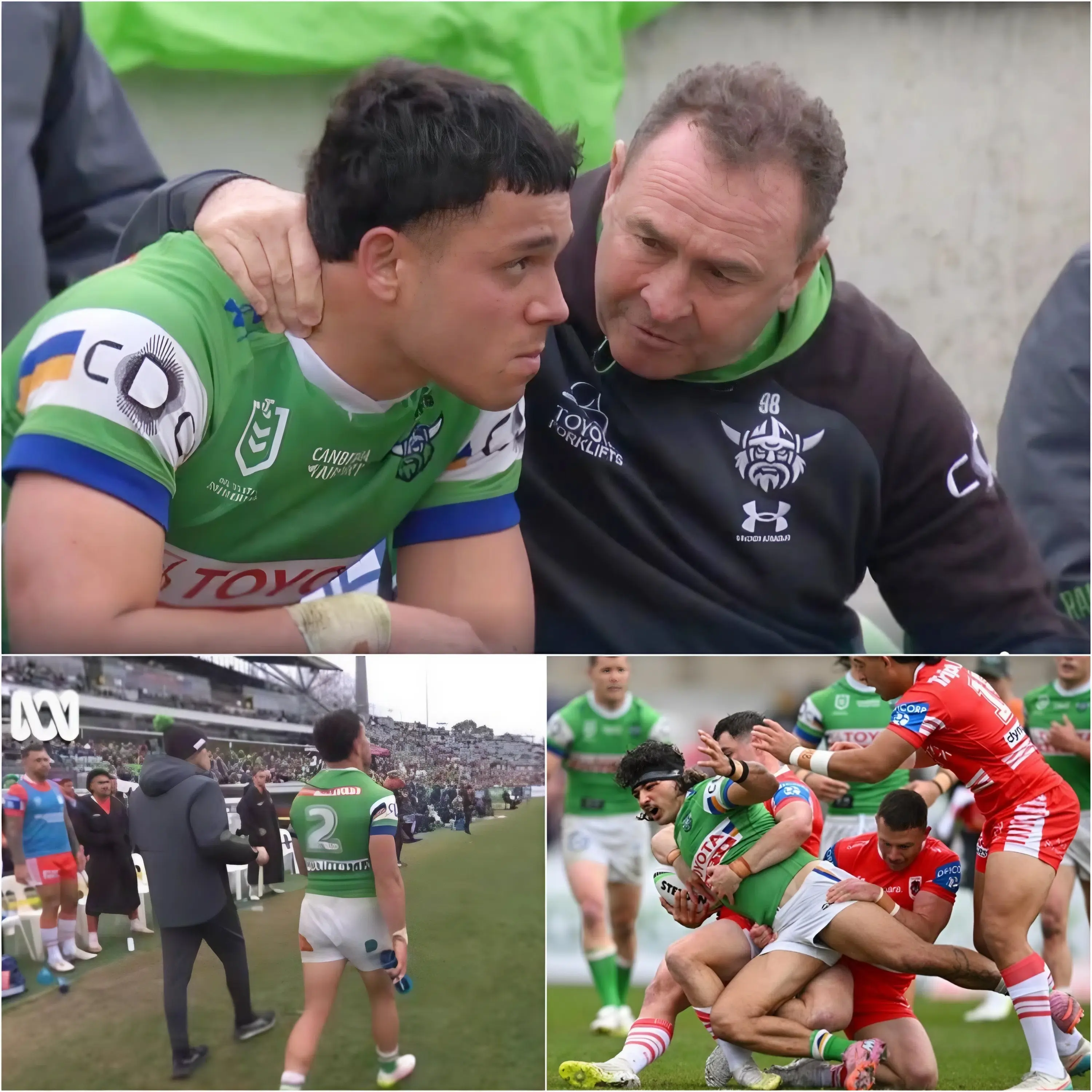
In the high-stakes world of the NRL, where every tackle, kick, and decision can shift the momentum of a match, Canberra Raiders coach Ricky Stuart faced one of those tough calls that defines a coach’s relationship with his players. During Round 17 against the St George Illawarra Dragons at GIO Stadium, Stuart made the difficult decision to hook promising young winger Savelio Tamale after just around 30 minutes of play. The move, though tactically sound in the context of a 24-16 victory for the Raiders, highlighted the emotional and developmental challenges inherent in nurturing rookie talent in professional rugby league.
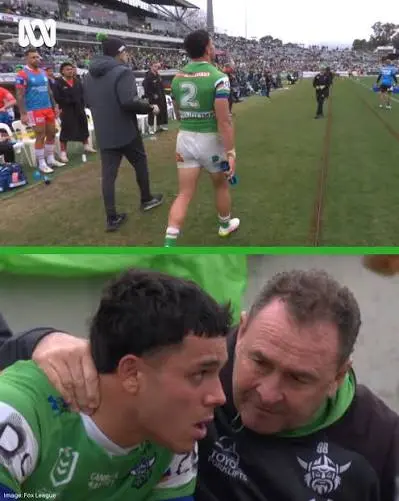
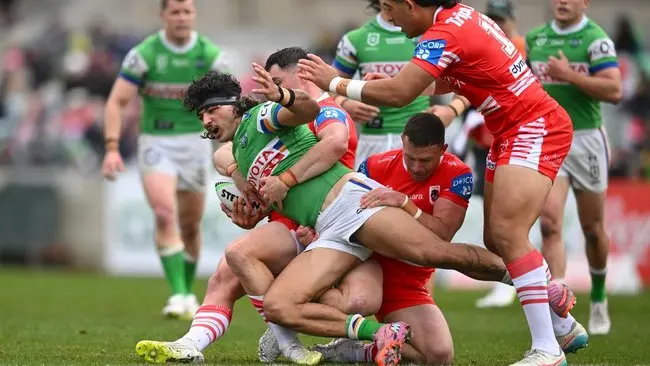
Tamale, a 21-year-old former Under-19s NSW Blues representative who had shown flashes of brilliance earlier in the season, found himself under relentless pressure from the Dragons. The opposition targeted him repeatedly with high kicks, exploiting what appeared to be vulnerabilities under the contestable ball. By the time Stuart pulled him from the field, Tamale had recorded four errors, limited metres from his runs, and visible signs of struggling with the aerial bombardment. Replacing him with veteran Sebastian Kris proved pivotal, helping stabilize the Raiders’ defensive line and contributing to their eventual win.
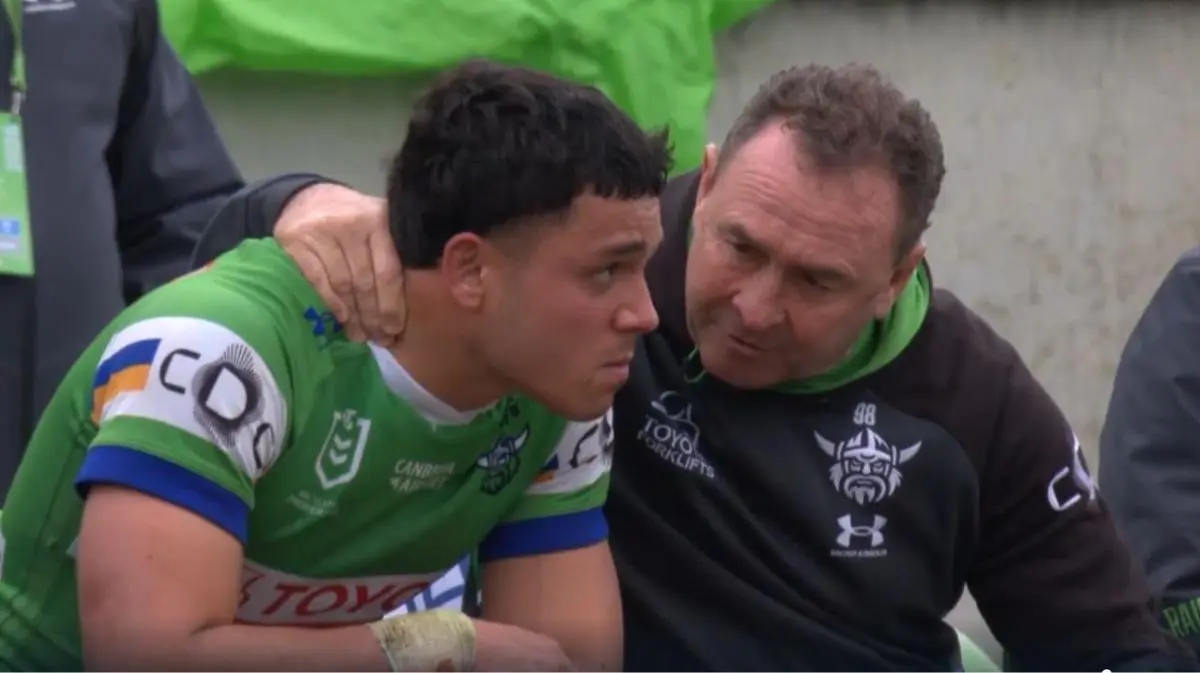
Post-match, Stuart was candid about the weight of that choice. “He’s struggling and as a coach, it’s my responsibility to have care and that’s the one thing I’ve got about the players is care. It was very, very hard for me to take him off,” Stuart explained. He described the sideline atmosphere as tense, noting the collective empathy from the coaching staff and players. “All of us were feeling for him and feeling the way he felt.
It was an awful feeling on the sideline when the ball was going up because I could feel the tenseness and the nerves going through Sav himself.” Stuart emphasized that Tamale, known as a tough competitor, would not have asked to come off, but the coach felt compelled to intervene for the player’s long-term benefit.
This incident underscores the broader realities of player development in the NRL. Young athletes like Tamale enter the top grade with immense physical talent and potential but often encounter steep learning curves when facing seasoned professionals who know how to probe weaknesses. High balls, in particular, remain a critical skill area where timing, positioning, and mental composure under duress are tested repeatedly. For Tamale, who has demonstrated strong ball-carrying ability and x-factor potential in previous outings, the game against the Dragons exposed an area needing refinement.
Stuart’s philosophy on youth development shines through in his comments. The Raiders have committed to building from within rather than chasing marquee signings, a strategy that has produced players like Joe Tapine but also requires patience through inevitable growing pains. “There’s a lot of these young kids and again I’ll repeat myself, they’ve got to start somewhere, and they’re starting with us,” Stuart noted. He acknowledged periods of lull in performance, stressing the importance of loyalty without being blindly so.
Success, he believes, comes with pain along the way, and the current roster’s injuries mean opportunities for these emerging talents will continue.
NRL greats weighed in on the situation, offering advice tailored to Tamale’s situation. Chad Townsend, a 2016 premiership winner, highlighted the magnifying effect of the public benching and urged mental resilience. “He may not play next week… but now it’s like this kid has years to go in his career. Now he can use this moment to either show some resilience and bounce back and mental strength,” Townsend said. He recommended intensive practice, suggesting catching dozens of high balls after every training session to build confidence and eliminate errors.
Justin Horo echoed similar sentiments, pointing to Tamale’s strengths as a strong ball carrier and dangerous attacker. He suggested a return to NSW Cup for pressure-free development, where the young winger can hone his craft, particularly in contesting kicks with support from forward teammates applying pressure. “It can make or break you,” Horo cautioned, but expressed confidence that Tamale’s talent would see him earn future opportunities after a strong preseason.
The Raiders’ victory provided a silver lining, allowing the team to head into their Round 18 bye with two points and renewed momentum. Injuries have plagued the squad, but key players are expected back, potentially easing the burden on rookies. For Stuart, balancing immediate results with player welfare remains paramount. His post-game embrace of Tamale on the sidelines captured the human element of coaching — a blend of tough love and genuine support.
Tamale’s journey reflects many young NRL players’ paths. Early promise often meets harsh realities, from tactical targeting by opponents to the emotional toll of public scrutiny. His prior performances, including strong showings in attack and moments of brilliance, suggest he possesses the raw attributes to succeed. The key will be addressing the aerial contest and rebuilding confidence away from the spotlight if needed.
In the wider NRL landscape, such decisions fuel debates about youth integration versus experience. Coaches like Stuart walk a tightrope: push too hard, and talent may falter; protect too much, and development stalls. The Raiders’ homegrown approach positions them for sustainable success, but it demands navigating these challenging moments with care.
As the season progresses toward the finals push, Tamale’s response will be telling. Whether he channels this experience into dedicated training or faces setbacks, the support from Stuart and the Raiders organization appears solid. Stuart’s words reveal not just tactical acumen but a deep investment in his players’ growth: “He will persevere.”
This episode serves as a reminder of rugby league’s unforgiving nature. One game, a string of errors under the high ball, and a mid-game hook can dominate headlines. Yet for those invested in the long game — coaches, players, and fans alike — it represents a necessary step in forging future stars. The Raiders, under Stuart’s guidance, continue betting on youth, accepting the pain for the promise of future marquee performers emerging from their own ranks.
With the bye providing recovery time, focus shifts to upcoming clashes, including against the Bulldogs. For Savelio Tamale, the path forward involves resilience, targeted improvement, and the backing of a coach who feels the weight of tough calls but makes them with the player’s best interests at heart. In a competition defined by moments of brilliance and adversity, this harsh decision may ultimately prove a pivotal chapter in a promising career.