
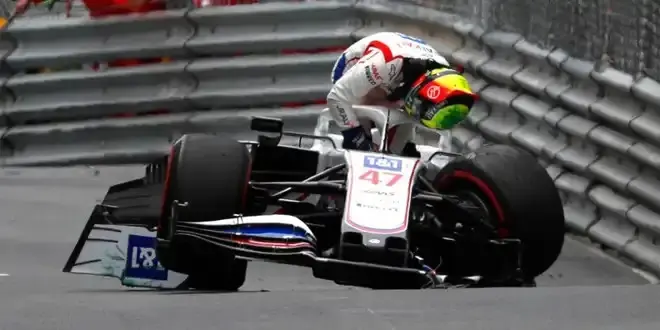
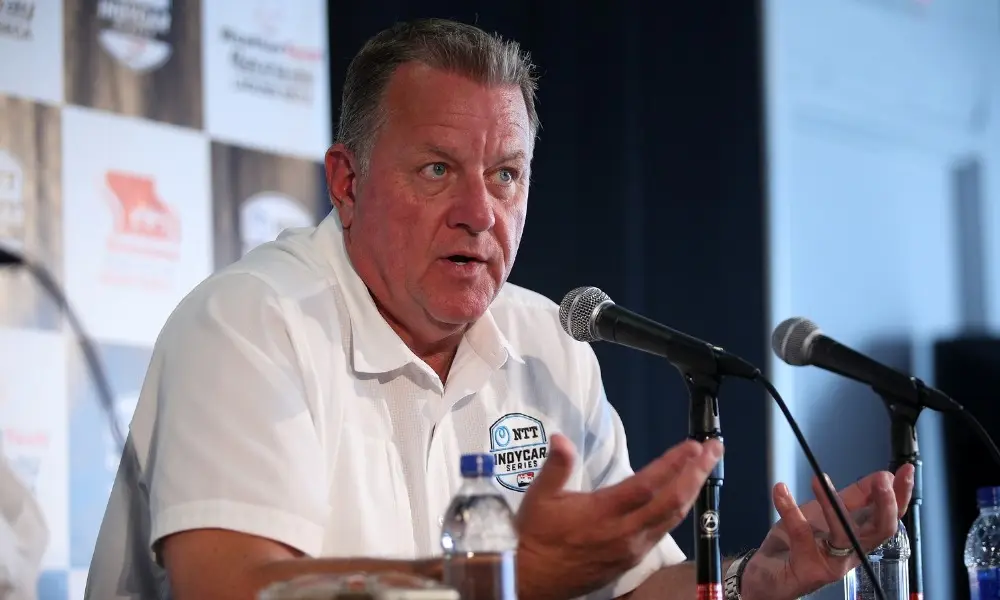
The 2026 NTT IndyCar Series has delivered an unexpected twist in its early stages, as former Formula 1 driver Mick Schumacher finds himself mired at the bottom of the championship standings after the first three races. Rahal Letterman Lanigan Racing (RLL) Chairman Jay Frye, who also serves as team president, voiced his frustrations in a recent interview, stating, “I gave him a pretty good foundation,” while expressing clear doubts about Schumacher’s adaptation and talent level in the open-wheel American series.
The comment came amid growing concerns within the Phoenix Raceway paddock, where the team had anticipated a stronger showing from the high-profile rookie.
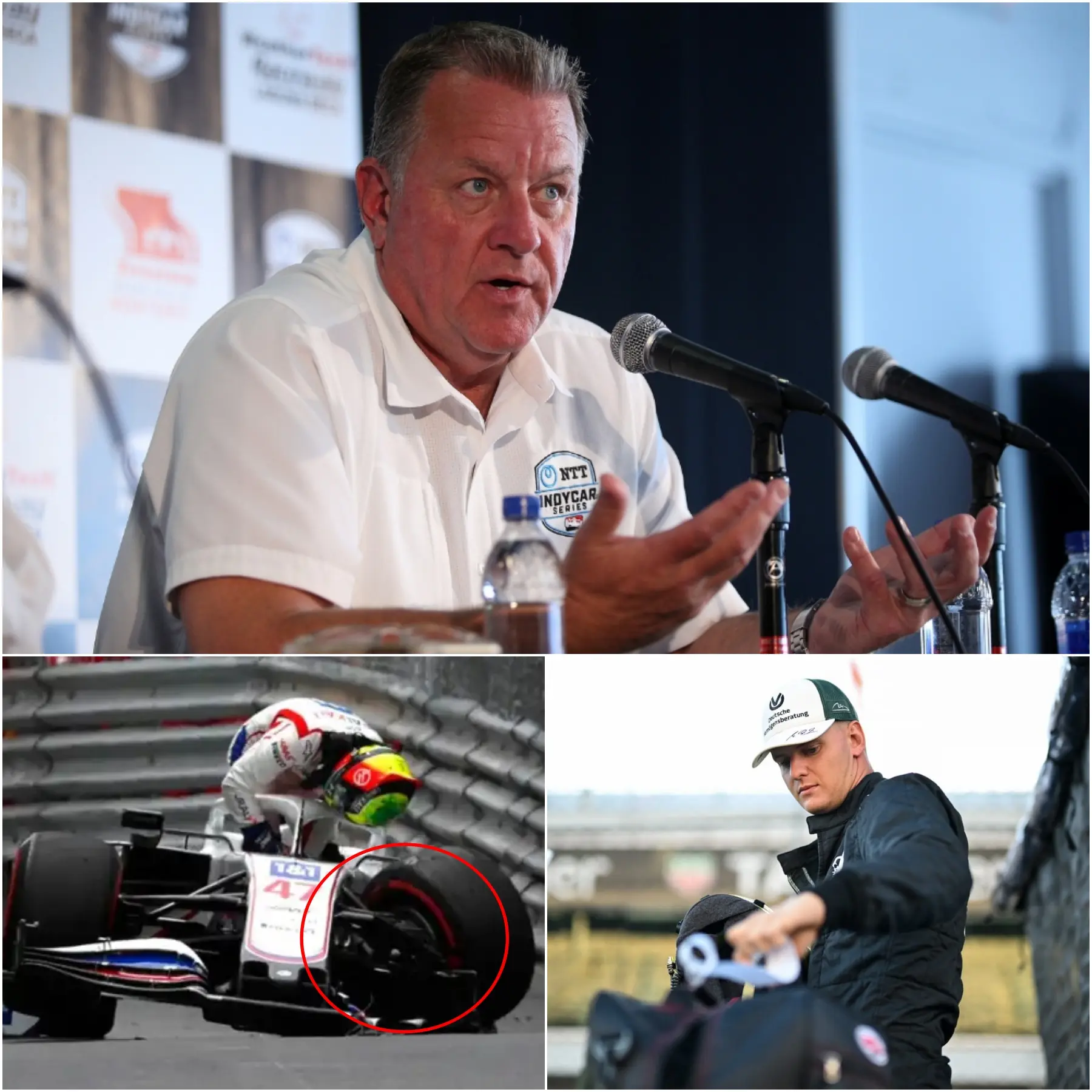
Schumacher, the 26-year-old son of seven-time F1 world champion Michael Schumacher, made his full-time IndyCar debut this season driving the No. 47 Honda for RLL. His transition followed a multi-year stint in Formula 1 with Haas, where results were inconsistent, and subsequent endurance racing in the World Endurance Championship with Alpine. The move to IndyCar was heralded as a fresh start, bolstered by RLL’s offseason overhaul under Frye’s leadership. Frye, a former IndyCar president who joined the team in 2025, spearheaded significant changes, including new hires in engineering, operations, and driver coaching.
The squad positioned Schumacher alongside veteran Graham Rahal and 2025 Rookie of the Year Louis Foster, aiming to revive a program that had struggled in recent years.
Preseason buzz was substantial. Schumacher impressed during private testing, including sessions on ovals and road courses, and RLL committed to an intensive program of seven tests to prepare him for the series’ unique demands—particularly the high-speed ovals that have no direct equivalent in his European background. Frye had praised the driver’s smoothness and adaptability early on, and team co-owner Bobby Rahal even called the 2026 lineup the strongest in the organization’s history as a three-car operation. Expectations were high for incremental progress, if not immediate results, given Schumacher’s single-seater pedigree and the team’s revitalized resources.
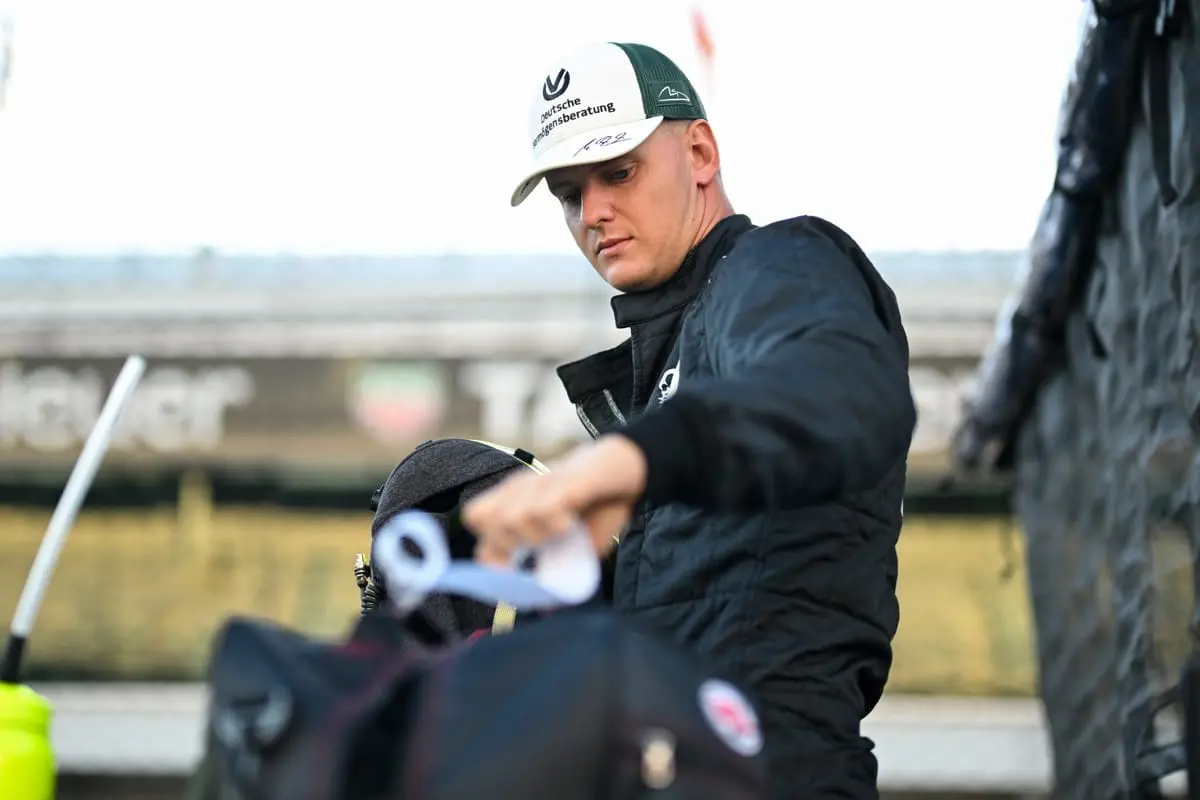
The season opener at the Streets of St. Petersburg on March 1 offered a harsh reality check. Schumacher qualified 21st and was caught in a Lap 1 multi-car incident involving Santino Ferrucci and Sting Ray Robb. The crash collected the No. 47 car, ending his race before it truly began with a 25th-place finish and minimal points. It was an unfortunate but not uncommon debut mishap for a newcomer navigating tight street circuits and aggressive pack racing.
Hopes shifted to Phoenix Raceway the following weekend, the series’ first oval race there in years and Schumacher’s maiden competitive outing on a circle track. Qualifying provided a genuine highlight: Schumacher delivered a composed performance, posting a two-lap average of 173.667 mph to secure fourth on the grid—his best result of the young season and a surprise to many observers. Teammate Graham Rahal qualified third, giving RLL a strong second-row lockout. Josef Newgarden and David Malukas eventually pushed ahead, but Schumacher’s run earned praise for its smoothness and precision, traits lauded by Rahal as superior to even some veterans.
Race day at Phoenix, however, unraveled. A pit stop issue—a broken pit gun—combined with untimely yellow flags disrupted strategy and cost the driver significant track position. He fell out of sync with the field, ultimately finishing 18th, one lap down to winner Newgarden. While not a complete disaster, the result highlighted the steep learning curve on ovals, where tire management, traffic navigation, and split-second decisions separate contenders from the pack.
The third race, the Grand Prix of Arlington on March 15, offered little relief. Schumacher started 17th but struggled throughout, crossing the line in 22nd place. With only 25 points accumulated across the three events—placing him 25th in the standings, 101 points behind leader Kyle Kirkwood—the rookie sits dead last among full-time entries. The performance has shocked the Phoenix Raceway team, where optimism had been building after the strong qualifying showing.
Frye’s pointed remark—”I gave him a pretty good foundation”—captures the mounting tension. As team chairman and a key architect of RLL’s resurgence, Frye invested heavily in infrastructure, personnel, and preparation tailored to Schumacher’s arrival. The comment suggests frustration that the driver has yet to capitalize on those resources, raising questions about his raw pace, adaptability to IndyCar’s spec-series format, or ability to handle the series’ physical and tactical demands compared to F1.
Schumacher himself has remained measured in public statements, focusing on learning rather than excuses. He has emphasized the positives, such as qualifying speed at Phoenix, and stressed the need to build consistency race by race. The team points to mechanical gremlins and bad luck as contributing factors, but the results speak clearly: no top-10 finishes, no stage points of note, and a growing gap to the midfield.
The IndyCar grid is notoriously competitive, with experienced drivers like Newgarden, Alex Palou, and Scott McLaughlin setting a high bar. For Schumacher, the challenge extends beyond talent—adapting to ovals, where speeds exceed 170 mph on short tracks, requires specialized instincts honed over years. His F1 career, while including a best finish of sixth, was marked by crashes and inconsistency under pressure at Haas. Translating European road-course skills to IndyCar’s diverse calendar has proven more difficult than anticipated.
As the series heads into its next phases, including high-profile events like the Indianapolis 500 preparations, pressure mounts on both driver and team. RLL’s transformation under Frye remains promising, with strong showings from Rahal and Foster providing contrast. Whether Schumacher can turn the corner depends on quicker adaptation, fewer incidents, and capitalizing on the solid base Frye believes he provided.
For now, the early verdict is underwhelming. The former F1 talent sits at the foot of the standings, and Frye’s candid assessment underscores the disappointment rippling through the team. The coming races will reveal if this is a temporary rookie stumble or a deeper mismatch in a series that rewards relentless consistency above all.