
The relationship between club and country has long been one of the most delicate balances in modern football, shaped by shared interests but often complicated by differing priorities. Recent developments involving FC Barcelona and the Spain national football team have once again brought this dynamic into focus, particularly in the case of the young forward Lamine Yamal.
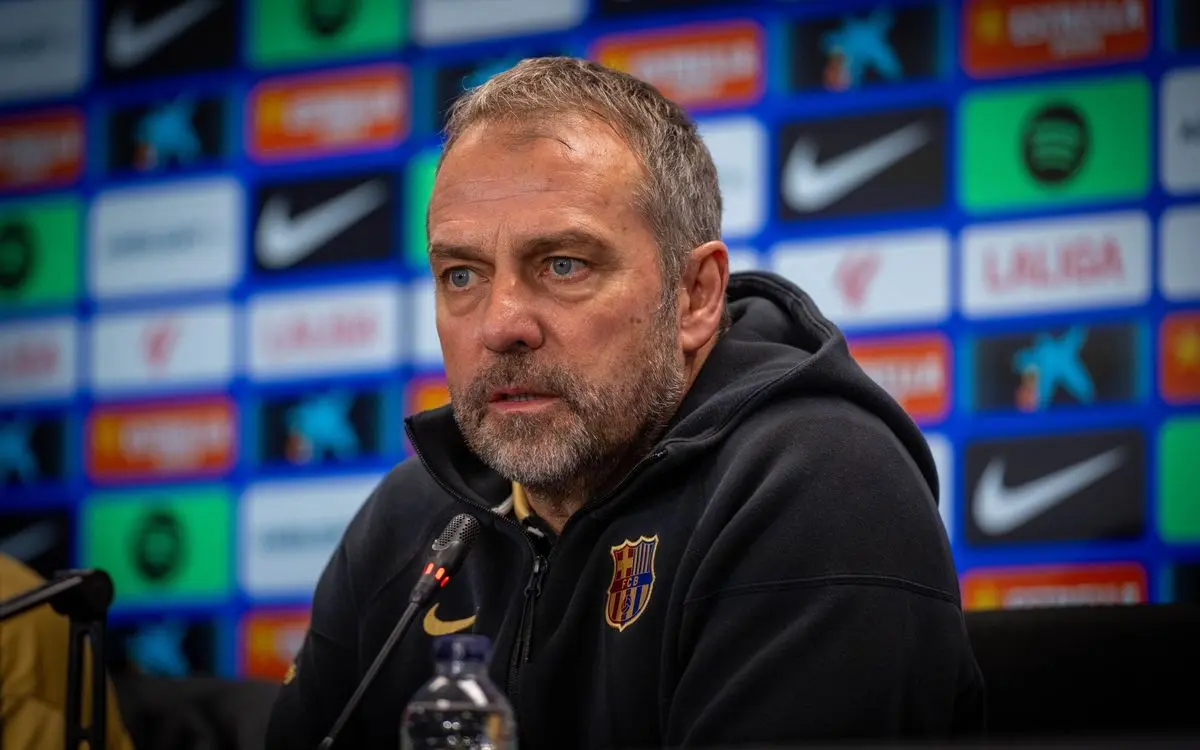
Following the injury sustained by Raphinha, Barcelona have become increasingly cautious in their management of player fitness. The absence of an important attacking option has inevitably heightened awareness within the club’s technical staff regarding the physical demands placed on their squad. In this context, head coach Hansi Flick is understood to have communicated a clear preference to the national team: that Yamal should either not feature in the upcoming match against the Egypt national football team or, at the very least, have his playing time carefully limited.
Such requests are not unusual in international football. Clubs invest significant resources in developing and maintaining their players, and they naturally seek to minimize the risk of injury during international windows. This is particularly true in the case of younger players, whose physical development and workload management require careful attention. Yamal, despite his maturity on the pitch, remains at an early stage in his career, making his situation especially sensitive.
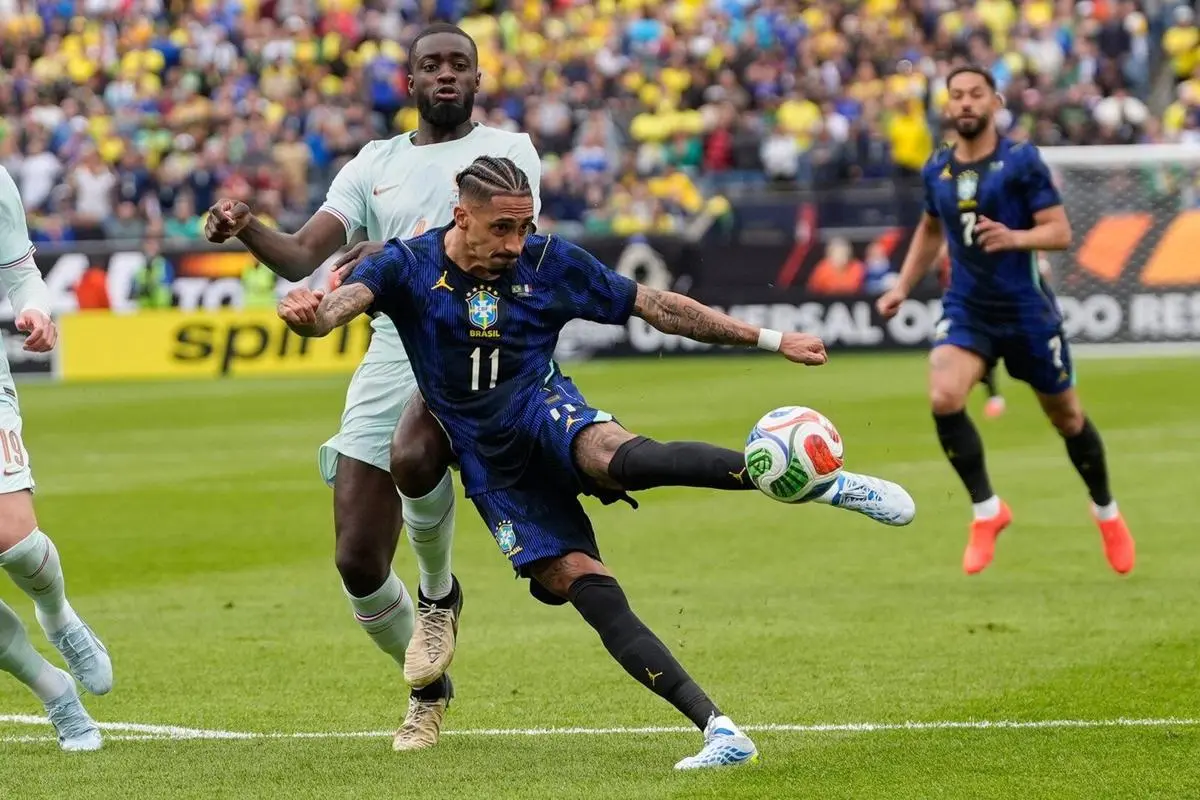
From Barcelona’s perspective, the concern is both immediate and long-term. The current season still holds important objectives, and the loss of another key player could have tangible consequences. At the same time, protecting Yamal’s progression is viewed as essential for the club’s future. Flick’s stance reflects a broader philosophy centered on sustainability and measured development rather than short-term gains.
On the other side, the Spanish national team faces its own set of considerations. Head coach Luis de la Fuente is responsible for preparing a competitive squad capable of performing at the highest level. International fixtures, even friendlies, serve as valuable opportunities to build cohesion, test tactical ideas, and integrate players into the system. For a talent like Yamal, these matches offer experience that cannot be replicated in training alone.
De la Fuente’s response to Barcelona’s request, delivered in a concise and composed manner, reflects the autonomy that national teams maintain in their decision-making. While acknowledging the concerns of clubs, international managers ultimately make selections based on what they believe is best for the team. His message, though brief, underscored a commitment to balancing player welfare with competitive preparation.
The situation highlights a recurring theme in football: the need for dialogue and cooperation between clubs and national federations. Both entities share a common interest in the well-being of players, yet their timelines and priorities do not always align perfectly. Clubs focus on long seasons with multiple competitions, while national teams operate in shorter, more concentrated periods where each match carries significant weight.
For Yamal, the attention surrounding this situation is a testament to his rapid rise. His performances have already established him as a player of considerable promise, capable of influencing games at a high level. With that recognition comes increased scrutiny and responsibility, as well as the challenge of managing expectations from multiple directions.
Players in such positions often rely on clear communication between all parties involved. Medical staff, coaches, and the players themselves must work together to ensure that decisions are made with both performance and health in mind. In many cases, compromises are reached, such as limited playing time or specific workload management strategies during matches and training sessions.
The broader football community has become more attuned to these issues in recent years. Advances in sports science have provided deeper insights into injury prevention and recovery, leading to more structured approaches to player management. Concepts such as load monitoring and rotation are now integral to how teams operate, both at club and international level.
In this context, Barcelona’s request can be seen as part of a wider trend toward proactive management. Rather than reacting to injuries after they occur, clubs are increasingly seeking to mitigate risks in advance. Flick’s position aligns with this approach, emphasizing caution and long-term planning.
At the same time, national teams must maintain a degree of flexibility. The ability to adapt to changing circumstances, including player availability, is a key aspect of international management. De la Fuente’s response suggests confidence in his ability to navigate these challenges while maintaining a clear vision for the team.
The interplay between these perspectives does not necessarily indicate conflict, but rather a negotiation of responsibilities. Both sides recognize the importance of Yamal’s development and contribution, even if their immediate priorities differ. In many cases, such situations lead to constructive outcomes, with agreements that satisfy both parties.
As the match against Egypt approaches, attention will naturally turn to how this situation is resolved in practice. Whether Yamal starts, comes off the bench, or is rested entirely, the decision will reflect a combination of strategic considerations and mutual understanding. The outcome will also provide insight into how similar situations may be handled in the future.
For supporters, these discussions offer a glimpse into the complexities behind team selection. What may appear as a straightforward decision often involves multiple layers of analysis and communication. The balance between ambition and caution is a constant theme, particularly when managing young talents with significant potential.
Looking ahead, the importance of maintaining strong relationships between clubs and national teams cannot be overstated. As the football calendar becomes increasingly demanding, cooperation will be essential to ensuring that players can perform at their best while minimizing the risk of injury. Situations like this serve as reminders of the need for ongoing dialogue and shared responsibility.
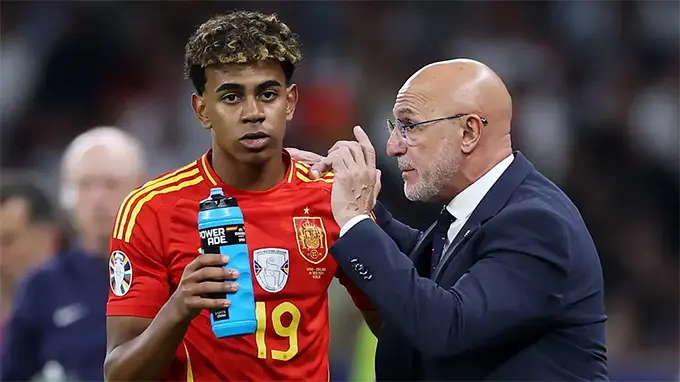
Ultimately, the focus remains on the player. Yamal’s continued development, health, and confidence are central to both Barcelona’s and Spain’s plans. By navigating this situation thoughtfully, all parties involved have the opportunity to contribute positively to his growth and to the success of their respective teams.
In the broader context of the sport, this episode reinforces the evolving nature of player management. It highlights how modern football requires not only tactical expertise but also careful consideration of physical and psychological factors. As teams continue to adapt to these demands, the lessons learned from such situations will play a role in shaping future approaches.
While the immediate attention may be on a single match and a specific decision, the implications extend beyond that moment. They reflect an ongoing process of collaboration, adaptation, and mutual respect—elements that are essential to the continued development of the game at the highest level.